Lost Ball Rule in Golf: 3 Minutes to Search, Then Stroke and Distance
By Erdi Doğan, owner and editor ·
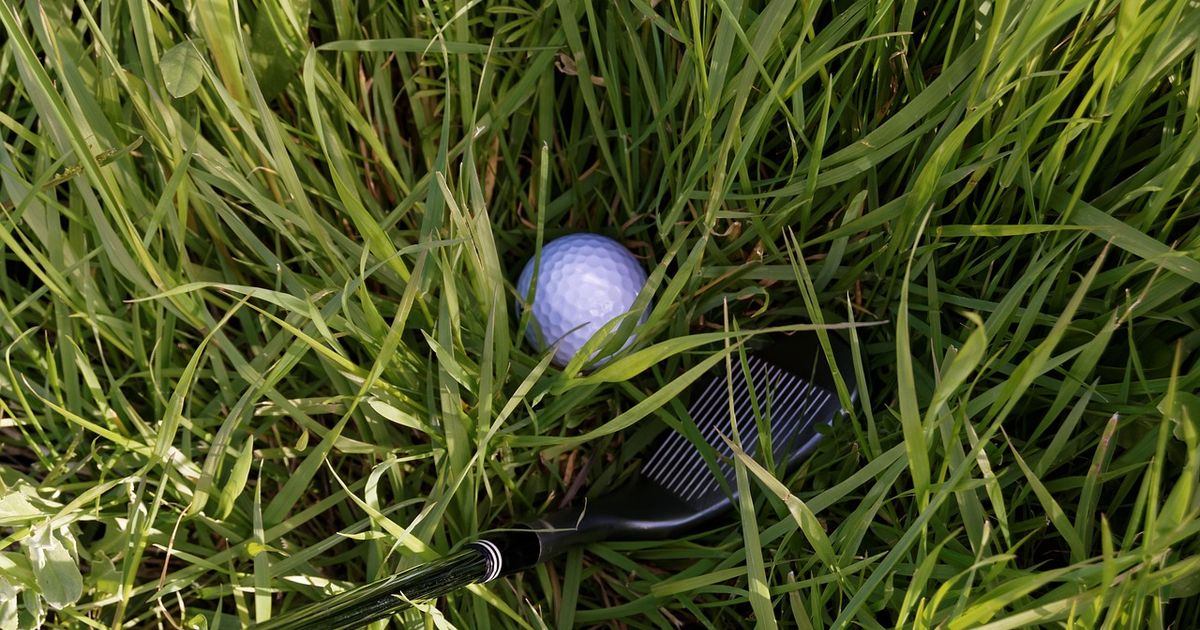
A golf ball is lost if you do not find it within three minutes of starting to search (Rule 18.2a). Once it is lost, you take stroke and distance: one penalty stroke, and you play again from where you hit the previous shot. The clock starts when you or your caddie begin looking, and it does not restart if you stop. This guide covers when the search time starts, what counts as finding your ball, and the exceptions where you can drop near where the ball disappeared. The golf rules guide has the other relief situations.
The three-minute search
The 2019 Rules cut the search time from five minutes to three. A few details decide most arguments on the course:
- When the clock starts: when you or your caddie begin to search. Time spent walking to the area does not count.
- Pausing: if the search stops for a good reason, such as a suspension of play or stepping aside so another player can hit, the waiting time does not count, but the time already used does.
- Finding it in time: if a ball is found within the three minutes but you are not sure it is yours, you get a reasonable extra time to walk to it and identify it, even if that takes you past three minutes.
- After three minutes: the ball is lost, even if you find it a moment later. You may not play it.
Identifying your ball
A ball you cannot identify as yours is treated as lost. The simplest protection is a mark of your own on every ball, such as a few dots or initials with a marker. Brand and number are not enough when others in your group play the same model. If you need to lift a ball to identify it, mark its spot first, clean it only as much as needed to identify it, and put it back on the same spot (Rule 7.3).
What to do when the ball is lost
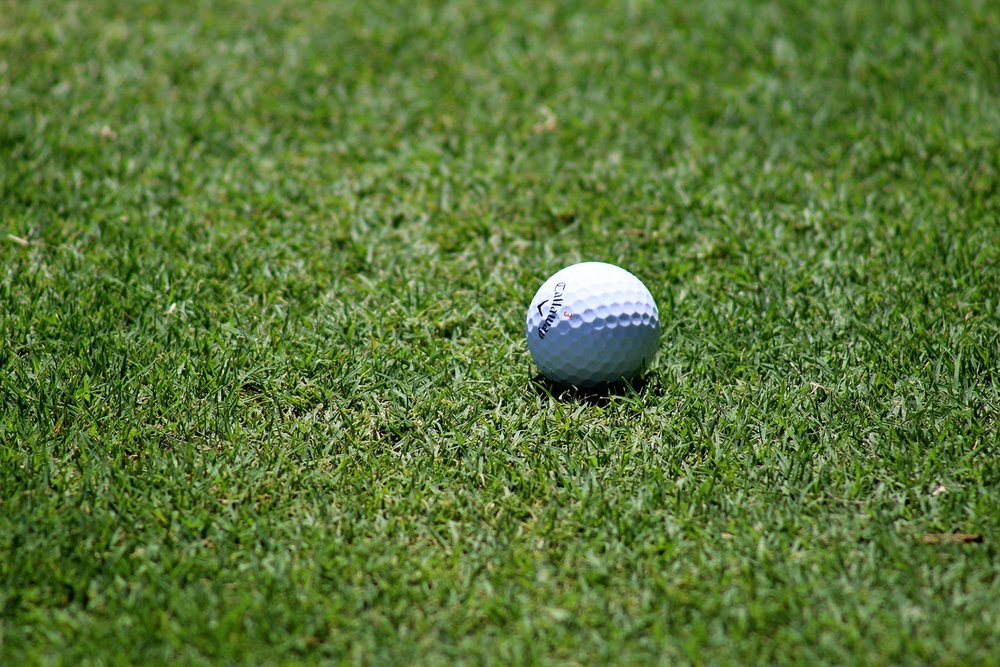
Go back to where you played the last stroke and play again, counting one penalty stroke (Rule 18.2b). From the teeing area you may tee the ball anywhere in the teeing area. From anywhere else in the general area you drop within one club-length of the spot, no nearer the hole. That walk back is why the out of bounds page and this one both recommend a provisional ball.
The provisional ball
If your ball might be lost outside a penalty area, hit a provisional from the same place before you walk forward, and say clearly that it is a provisional (Rule 18.3). If you then find your original ball within three minutes, you must play it and pick up the provisional. If not, the provisional becomes your ball in play under stroke and distance. You can keep playing the provisional until you reach the area where the original is likely to be; once you hit it from nearer the hole than that spot, the original is lost automatically.
When you do not take stroke and distance
A ball you cannot find is not always "lost" in the stroke-and-distance sense. When it is known or virtually certain, meaning at least 95% likely from the evidence, that something specific happened to it, a different rule gives you a closer option:
| Known or virtually certain that the ball… | Your option | Penalty |
|---|---|---|
| Is in a penalty area (red or yellow stakes) | Penalty-area relief based on where it last crossed the edge (Rule 17.1c) | 1 stroke |
| Was moved or picked up by an outside influence, such as an animal or a spectator | Replace a ball on the estimated spot (Rule 9.6) | None |
| Is in an abnormal course condition such as ground under repair or an animal hole | Free relief from the estimated spot (Rule 16.1e) | None |
| Was played by someone else by mistake | Replace a ball where it was (Rule 6.3c) | None for you |
"I think it went in the water" is not enough. If there is a real chance the ball is in thick rough next to the pond, you are not virtually certain, and stroke and distance applies.
The two-stroke local rule
Courses that adopt Model Local Rule E-5 let you drop in the area near where the ball was lost, toward the fairway, for two penalty strokes instead of walking back. It is common in casual play and not used in elite competitions. The out of bounds guide explains how the relief area is measured.
Frequently asked questions
How many strokes is a lost ball?
One penalty stroke plus the distance: you replay from the previous spot. Lose your tee shot and your next shot from the tee is your third.
Is it still five minutes to look for a ball?
No. Since January 2019 the search time is three minutes.
Can I drop a ball where I think I lost it?
Only if the course has adopted Model Local Rule E-5 (two penalty strokes), or if it is known or virtually certain that the ball is in a penalty area or one of the other situations in the table above.
Back to the golf rules guide for penalty areas, unplayable lies and free relief.
Sources
- Rule 18: Stroke-and-Distance Relief, Ball Lost or Out of Bounds, Provisional Ball, The R&A and USGA, Rules of Golf (2023)
- Rule 7: Ball Search: Finding and Identifying Ball, The R&A and USGA
- Rule 17: Penalty Areas, The R&A and USGA