Golf Score Names: Birdie, Bogey, Eagle, Albatross and More
By Erdi Doğan, owner and editor ·
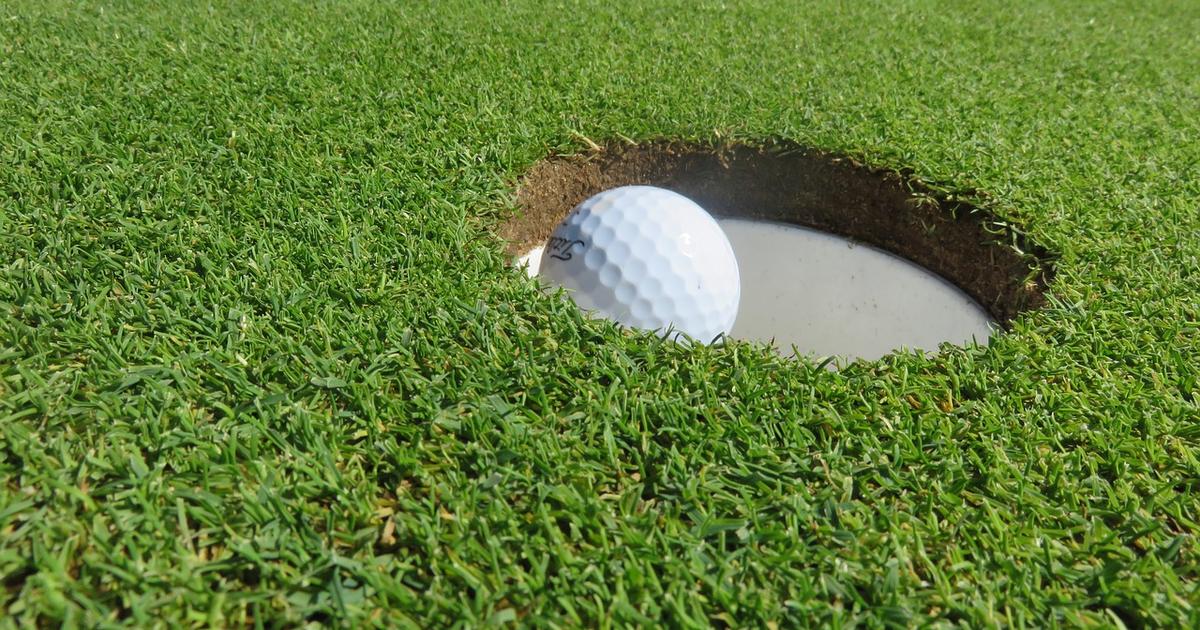
Golf names each score by how far it is from par. A birdie is one stroke under par, an eagle two under and an albatross (or double eagle) three under. A bogey is one over par, a double bogey two over and a triple bogey three over. A hole-in-one, also called an ace, is a score of 1 on any hole. The table below gives every name with an example on each type of hole, and the golf scoring guide explains how these scores add up in different formats.
Every golf score name in one table
| Name | Relative to par | On a par 3 | On a par 4 | On a par 5 |
|---|---|---|---|---|
| Condor | −4 | – | – | 1 (a hole-in-one) |
| Albatross (double eagle) | −3 | – | 1 | 2 |
| Eagle | −2 | 1 | 2 | 3 |
| Birdie | −1 | 2 | 3 | 4 |
| Par | 0 | 3 | 4 | 5 |
| Bogey | +1 | 4 | 5 | 6 |
| Double bogey | +2 | 5 | 6 | 7 |
| Triple bogey | +3 | 6 | 7 | 8 |
| Quadruple bogey | +4 | 7 | 8 | 9 |
A hole-in-one on a par 3 is an eagle, on a par 4 an albatross, and on a par 5 a condor. Scores beyond a quadruple bogey are usually just called by their number over par, such as "plus five". An 8 on any hole is nicknamed a "snowman", because the digit looks like one.
Birdie
One under par: a 2 on a par 3, a 3 on a par 4, a 4 on a par 5. Birdies are the score good players chase on most holes. For a recreational golfer a birdie usually comes from a good approach and a holed putt, or from reaching a short par 5 in three and one-putting. The word is generally traced to American slang of the late 1800s, when "bird" meant something excellent.
Eagle and albatross
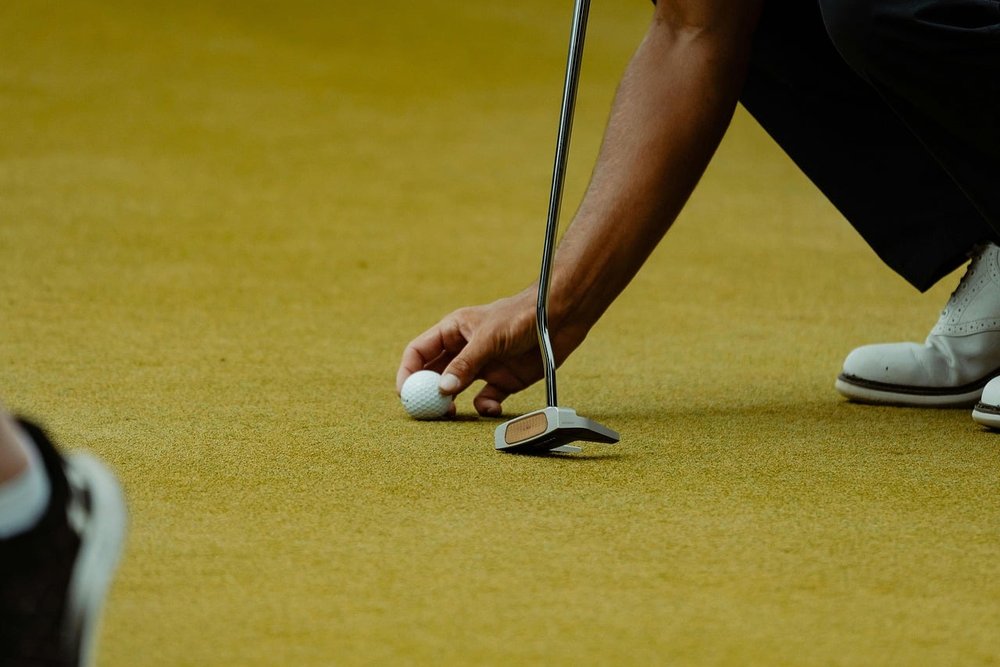
An eagle is two under par. Most eagles happen on par 5s, where a long hitter reaches the green in two and makes the putt, or on short par 4s that can be driven. An albatross, three under, needs a hole-out on a par 5 in two shots or a hole-in-one on a par 4. It is far rarer than an ace. In the US it is often called a double eagle; elsewhere "albatross" is the usual word.
Bogey, double bogey and triple bogey
A bogey is one over par. For most golfers it is a good score: a golfer who makes bogey on every hole of a par-72 course shoots 90, which is better than the typical recreational round. A double bogey is two over and a triple bogey three over.
Double bogey also matters for handicaps. Under the World Handicap System the most you can count on any hole for handicap purposes is net double bogey: par plus two, plus any handicap strokes you receive on that hole (Rule 3.1 of the Rules of Handicapping). If you get one stroke on a par 4, your maximum for handicap posting there is 7. The handicap calculator uses the adjusted score after this cap.
How score names show up in other formats
- Stableford: points follow the score name. Double bogey or worse earns 0, bogey 1, par 2, birdie 3, eagle 4 and albatross 5.
- Net scores: in handicap play, a "net birdie" is a gross par on a hole where you get a stroke.
- Scorecards: many players circle birdies and put a square around bogeys, with double circles and double squares for eagles and double bogeys.
Frequently asked questions
Which is better, a birdie or a bogey?
A birdie. It is one stroke under par, while a bogey is one stroke over. The difference between them is two strokes.
Is a hole-in-one an eagle?
On a par 3, yes: 1 is two under par. On a par 4 a hole-in-one is an albatross.
What is a double eagle?
The American name for an albatross: three under par on a single hole, such as a 2 on a par 5.
What is a triple bogey?
Three over par on a hole: a 6 on a par 3, a 7 on a par 4 or an 8 on a par 5.
Back to the golf scoring guide for stroke play, match play and Stableford.
Sources
- Rule 21.1: Stableford, The R&A and USGA, Rules of Golf (2023)
- Rules of Handicapping, Rule 3.1: Net Double Bogey, USGA