What Is Par in Golf? Par 3, 4 and 5 Explained
By Erdi Doğan, owner and editor ·
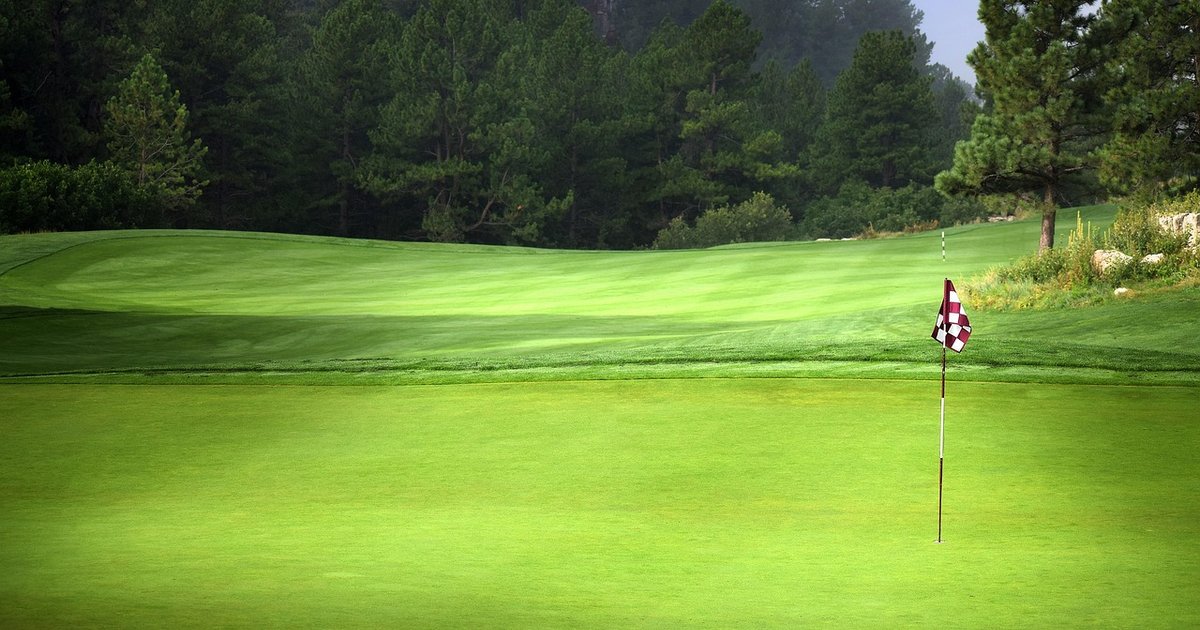
Par is the number of strokes an expert golfer is expected to need to finish a hole, counting two putts. Most holes are par 3, par 4 or par 5, and an 18-hole course usually adds up to a par of 70, 71 or 72. If you take exactly that many strokes you made par; fewer is under par, more is over par. This page explains how par is set, what the numbers mean for your own scoring, and how it differs from Course Rating. The names for scores above and below par, such as birdie and bogey, have their own guide, and the golf scoring guide covers the formats.
What par means on a hole
Par is built from a simple idea: a skilled player reaches the green in a set number of shots and then takes two putts. So a par 3 is one shot to the green plus two putts, a par 4 is two shots plus two putts, and a par 5 is three plus two. The USGA describes par as the score a scratch (zero-handicap) golfer is expected to make on a hole, and courses print it on the scorecard and often on the tee sign.
| Par | Shots to reach the green | Putts | Typical hole |
|---|---|---|---|
| Par 3 | 1 | 2 | A short hole you can reach from the tee |
| Par 4 | 2 | 2 | The most common hole: a drive and an approach |
| Par 5 | 3 | 2 | A long hole, reachable in two only by long hitters |
| Par 6 | 4 | 2 | Very rare; a handful of courses have one |
How long is a par 3, par 4 and par 5?
Length is the main factor. The World Handicap System guidance used by the USGA gives yardage ranges that overlap, because a short but tricky hole can be a par 4 while a long downhill hole can stay a par 3. As reported by Golf Monthly, the ranges are:
| Par | Men | Women |
|---|---|---|
| Par 3 | Up to about 260 yards | Up to about 230 yards |
| Par 4 | 240 to 490 yards | 200 to 420 yards |
| Par 5 | From about 450 yards | From about 370 yards |
The yardages are for "effective playing length". Holes that play uphill, into a prevailing wind or at low altitude play longer than the number on the sign, and the committee can also set par by how the hole is designed to be played. That is why you will sometimes find a 480-yard par 4 and a 470-yard par 5 at the same club.
Course par
Add the par of all 18 holes and you have course par. A common layout is four par 3s, ten par 4s and four par 5s, which totals 72. Many courses are par 70 or 71, and shorter "executive" courses can be in the 60s. Par can also differ between tees: the forward tees at some courses turn a long par 4 into a par 5.
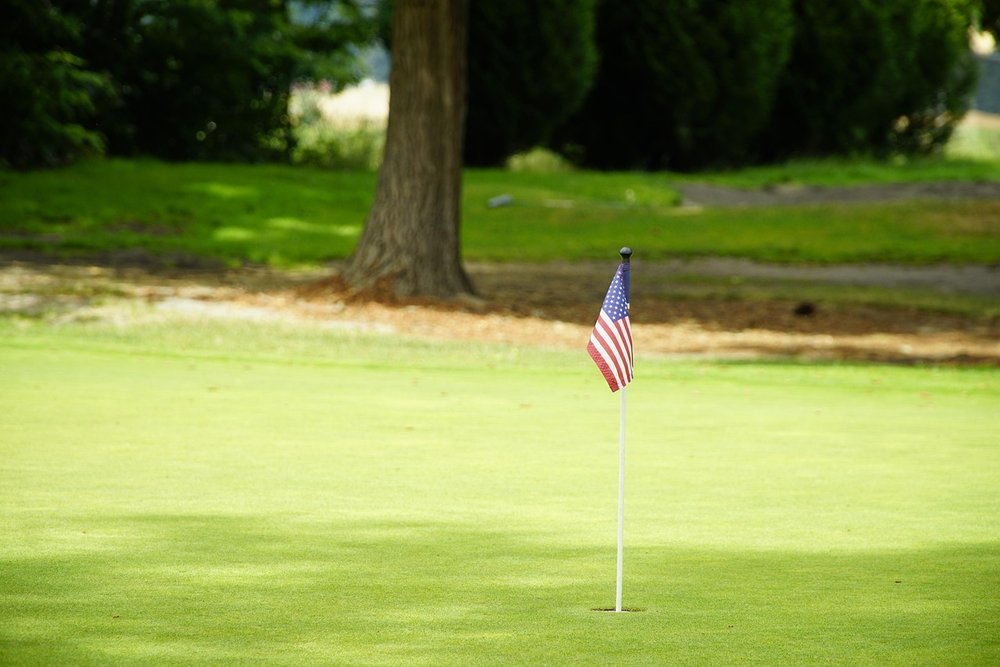
Your score relative to par is the number you hear on television. Shoot 75 on a par-72 course and you are "3 over". Shoot 70 and you are "2 under", written as −2. Match par exactly and you are "even", written E.
Par versus Course Rating
Par describes an expert's expected score. Course Rating measures how difficult a set of tees is for a scratch golfer, to one decimal place, for example 71.4 on a par-72 course. Slope Rating measures how much harder the course plays for a bogey golfer than for a scratch golfer. Handicaps use Course Rating and Slope, not par, to compare scores across courses; par appears only in the last step, when your Handicap Index is converted to strokes for the day. You can see that formula in our handicap calculator.
What par means for an average golfer
Par is the standard for experts, and very few recreational players reach it. For an everyday golfer a more useful target is "personal par": par plus your handicap strokes. If you get a stroke on a hole, a 5 on a par 4 is your par there. Thinking that way keeps a double bogey on one hole from spoiling the round, which is exactly how net scoring and Stableford points work.
Frequently asked questions
What is par for 18 holes?
Usually 70 to 72. The most common total is 72, from four par 3s, ten par 4s and four par 5s.
What does it mean to make par?
To finish a hole in exactly the par number of strokes, for example a 4 on a par-4 hole.
Is under par good in golf?
Yes. In golf the lower score is better, so under par means fewer strokes than expected.
Why are some long holes par 4 and some shorter holes par 5?
Because par follows effective playing length and design, not the yardage on the sign. Elevation, wind, doglegs and forced carries all change how long a hole plays.
Next: the names of golf scores, or back to the scoring guide.
Sources
- Do Par 4s Have To Be A Minimum Or Maximum Length?, Golf Monthly (yardage guidance under the World Handicap System)
- USGA Position Paper on Par, USGA